Transform Your Home: Preparing for a Loft Conversion


Overview
Loft conversions are a great way to expand living space in cities like London without moving. This guide covers essential preparations, including understanding your needs and home structure, obtaining planning permission, choosing the right contractor, and planning for design, lighting, and budgeting. Consider sustainable practices for added benefits. With proper planning and execution, a loft conversion can enhance both your home and lifestyle.
Contents
In bustling cities such as London, where space is often at a premium, loft conversions present an excellent opportunity to expand your living space without the expense and hassle of moving. Whether you're contemplating Loft Conversions North London or a Walthamstow loft conversion, proper preparation can ensure a seamless transition from planning to execution. This comprehensive guide will help you prepare your home for a loft conversion, highlighting key considerations, necessary steps, and tips to make the most of your new space.
Understanding Loft Conversions
Loft conversions are a popular choice amongst homeowners looking to enhance their property. They can provide additional living spaces, be it a bedroom, home office, or recreational area. The most common types include:
Dormer Loft Conversions
Mansard Loft Conversions
Hip-to-Gable Conversions
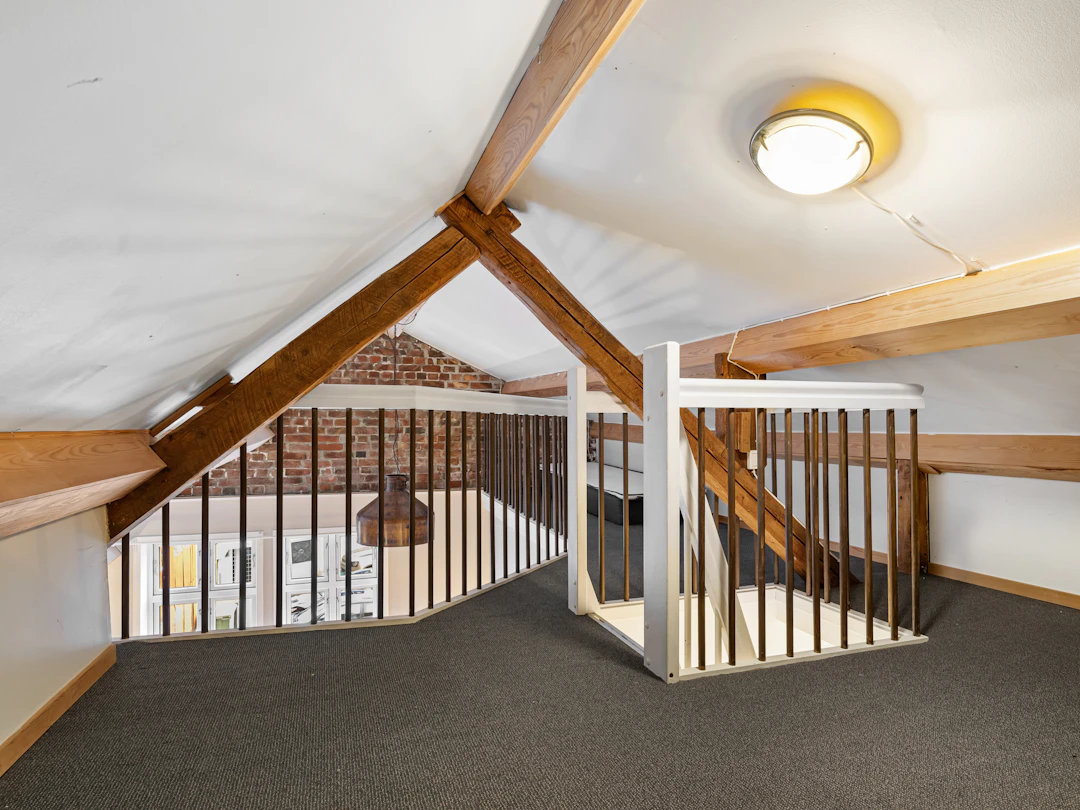
Each type offers its own set of advantages. For instance, dormer loft conversions are widely favoured for their ability to add headroom and usable space, making them an excellent option for families seeking to maximise their home's potential.
Evaluate Your Needs
Before commencing preparations for your loft conversion, take time to evaluate your personal and family needs:
What is the primary purpose of the loft conversion? (e.g., bedroom, office, extra storage)
How much additional space do you require?
Will your current lifestyle impact the design choices?
By clearly defining your needs, you’ll create a focused vision for your loft conversion that aligns with your lifestyle.
Assessing Your Home’s Structure
Before diving into design and decoration, understanding your home’s structure is crucial.
Some foundational aspects to consider include:
Is your loft space large enough to convert?
What is the pitch of the roof?
Will you need to alter any support beams or frameworks?
Consult with an architect or a structural engineer to get a professional assessment of your home’s capability to support a loft conversion.
Obtaining Planning Permission
In London, planning permission is a vital step for any house extensions London or loft conversions. Depending on your property type, specific permissions might be necessary. Many loft conversions fall under permitted development, but it’s not guaranteed. To avoid any legal issues, ensure:
Your design complies with zoning and building regulations.
You obtain the appropriate planning permissions if required.
Learn about the requirements by visiting unlocking the possibilities planning permission for loft conversions in London.
Choosing the Right Contractor
Finding a reliable contractor is paramount to the success of your loft conversion project. Ensure they are experienced in executing loft conversions, particularly in London. Look for contractors with great reviews, and ask for references. A meticulous selection process will enable you to work with someone who understands the nuances of loft conversions London.
For tips on selecting the best contractor, check out choosing the right contractor for your loft conversion.
Preparing Your Home
After understanding the intricacies of your project, it’s time to prepare your home. Here’s a checklist to follow:
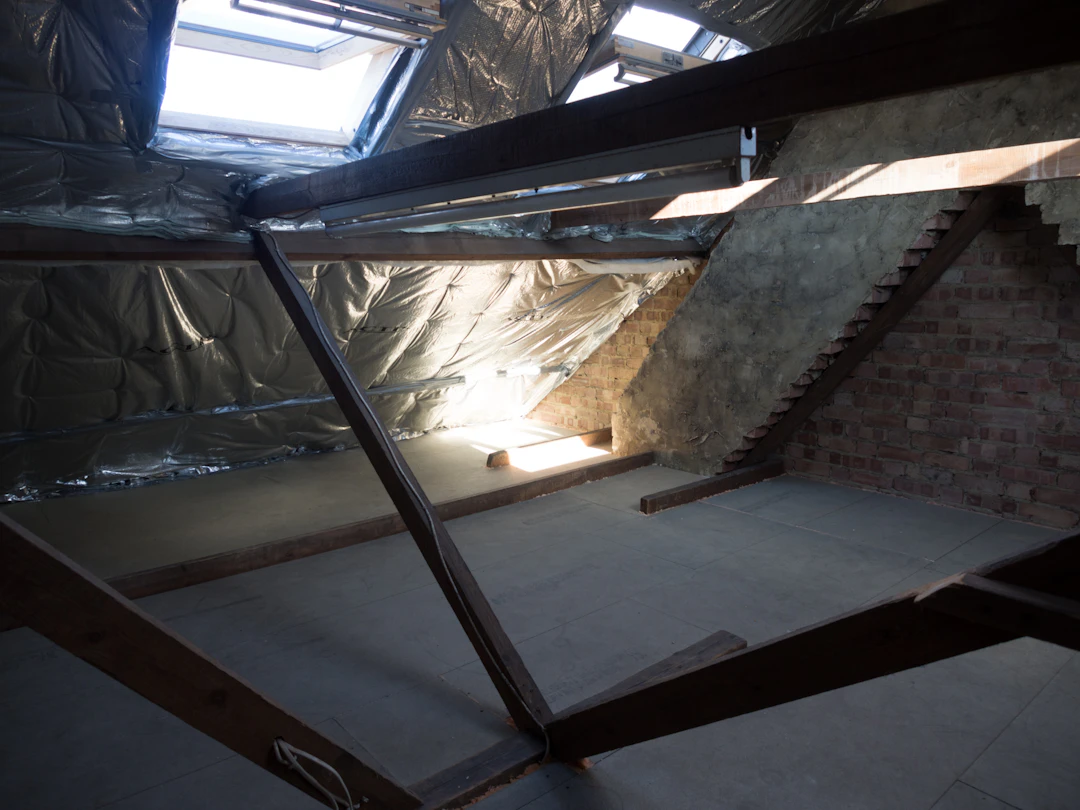
Declutter the loft space: Remove any items you no longer use or need.
Secure valuable belongings: Ensure all delicate or important items are stored safely elsewhere.
Communicate with neighbours: Inform them about the upcoming construction to maintain good relations.
Create access points: Ensure crews can safely access your property for transporting materials.
This preparation phase is crucial and sets the stage for a smoother loft conversion process.
Considering Design and Aesthetics
Your loft conversion provides a blank canvas for creativity. Think about how the new space will fit into your home and your personal style:
Will you introduce skylights or dormer windows to brighten the space?
What colours and materials will enhance the room's aesthetic?
How will you optimise the layout for functionality?
Exploring design ideas can be inspired by creative design ideas for your loft conversion.
Planning for Lighting and Ventilation
Effective lighting and ventilation are key elements in creating a comfortable loft conversion. Consider various lighting options to enhance the space:
Ambient lighting for general illumination.
Task lighting for specific areas, like study desks.
Accent lighting for decorative elements.
Additionally, ensuring adequate ventilation is essential to prevent moisture build-up and maintain air quality. Consider including operable windows or skylights and explore options in loft conversion lighting bright ideas for your space.
Understanding Costs and Budgeting
The financial aspect of a loft conversion can vary widely depending on numerous factors, including size, design complexity, and materials. Here are some essential budget considerations:
Labour costs versus DIY possibilities.
Material selections, including whether to go premium or standard.
Potential additional costs, such as planning fees and surveyor costs.
Take time to budget effectively to avoid unexpected financial strain during the conversion process.
Embracing Sustainable Practices
As you prepare for your loft conversion, consider incorporating sustainable practices. This can be beneficial not just for the environment but also for long-term savings on energy bills. Elements to consider include:
Energy-efficient insulation to retain heat.
Solar panels for an eco-friendly energy source.
Recycled or sustainable materials for construction.
For more information on sustainability, explore sustainability considerations for loft conversions.
Your Journey Begins Here!
Having prepared your home for a loft conversion, you stand on the brink of transformation. This addition not only brings about a practical advantage in space but can also enhance your property’s value significantly. Ensure you stay engaged throughout the process, from planning and construction to decorating the finished product.
With adequate planning, a reliable contractor, and a clear vision, your loft conversion will undoubtedly enhance your home and lifestyle. The journey may be challenging, but the rewards are limitless. Let your creativity flow, and watch as your aspirations take shape in the form of a beautiful loft conversion!
FAQs
What are the types of loft conversions mentioned in the blog?
The blog mentions three types of loft conversions: Dormer Loft Conversions, Mansard Loft Conversions, and Hip-to-Gable Conversions.
Why is it important to evaluate my needs before starting a loft conversion?
Evaluating your needs helps you define the primary purpose of the loft conversion, determine how much space you require, and ensures your design choices align with your lifestyle.
Do I need planning permission for a loft conversion in London?
Yes, planning permission is often required for loft conversions in London, although many may fall under permitted development. It is essential to check compliance with zoning and building regulations.
How can I prepare my home for a loft conversion?
To prepare your home, you should declutter the loft space, secure valuable belongings, communicate with neighbours, and create access points for construction crews.
What budget considerations should I keep in mind for a loft conversion?
Key budget considerations include labour costs, material selections, potential additional costs like planning fees, and surveyor costs. Proper budgeting helps avoid unexpected financial strain.

Comments