The Hidden Treasures: Exploring the Benefits of Loft Conversions for London Homes


Overview
Loft conversions are an increasingly popular solution for London homeowners looking to maximise space without moving. They offer flexible uses, boost property value by up to 20%, and are often less disruptive compared to traditional extensions. Various types of conversions, such as dormer, mansard, and Velux, can improve energy efficiency and natural light. With many conversions falling under permitted development, they can be quicker and easier to undertake. Overall, loft conversions are a smart investment for enhancing living space and home value in a bustling city like London.
Contents
In a city as dynamic and bustling as London, every square foot of property can be precious. As property prices soar and living spaces become more compact, homeowners are constantly searching for innovative ways to increase their living space without moving. One of the most attractive solutions that has emerged in recent years is the loft conversion. In this article, we’ll delve into the myriad benefits that loft conversions offer for London homes, with a special focus on areas like North London and Walthamstow.
Maximising Space with Loft Conversions
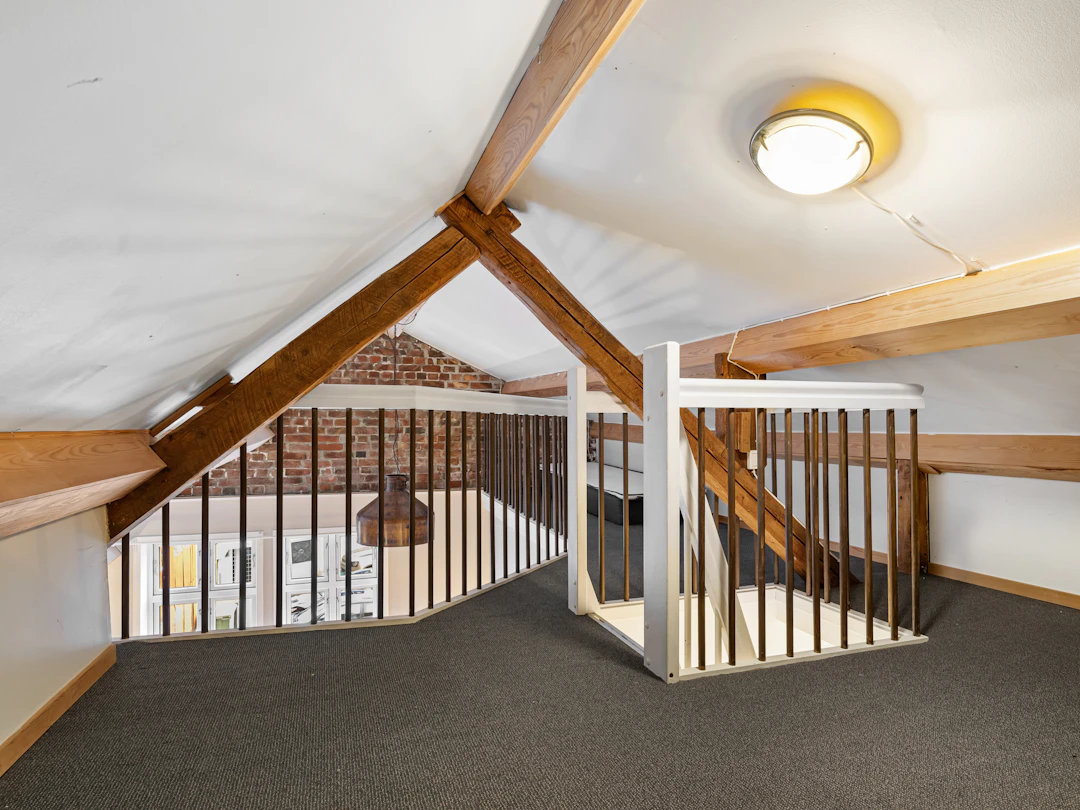
The most compelling reason for a loft conversion is undoubtedly the increase in usable space. Many London homes, especially Victorian and Edwardian properties, have large attics that are often underutilised. A loft conversion can transform this space into a usable room that can serve various purposes - whether it be a bedroom, home office, or a playroom for the kids.
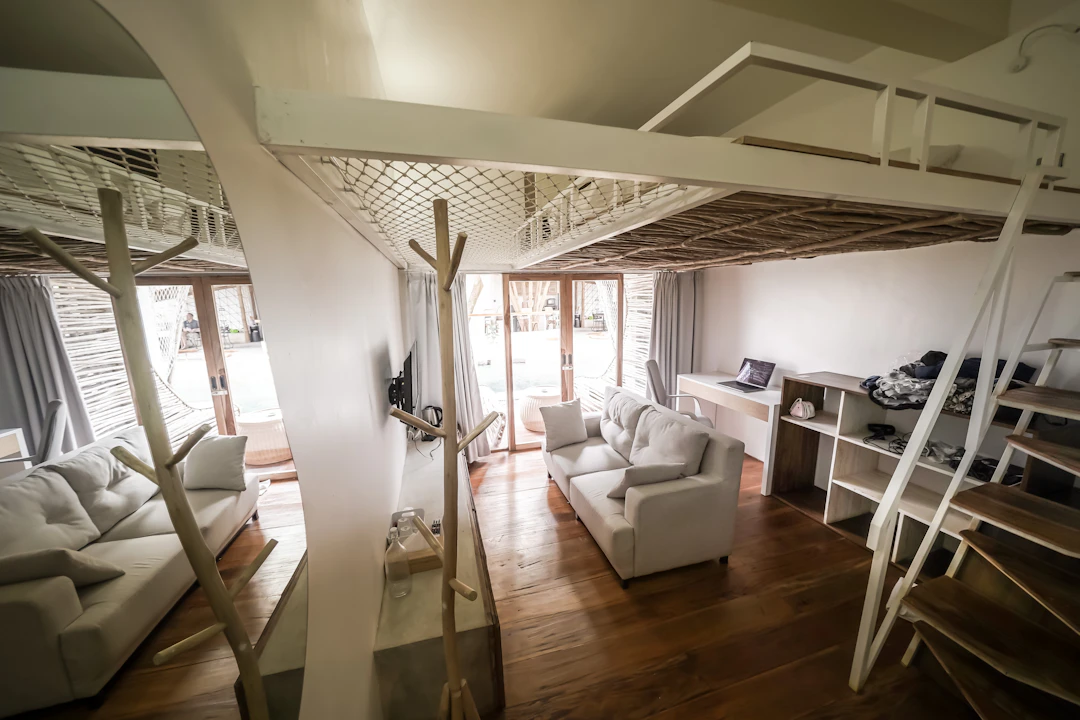
Flexible Uses: The transformed loft can serve many functions, such as an additional bedroom, a master suite, a home office, or even a gym.
Enhanced Aesthetics: A well-designed loft can add character and charm to your home, blending style with functionality.
Boosting Property Value
Investing in a loft conversion often yields significant returns. With the average home price in London steadily increasing, adding an extra room or two can elevate the value of your property significantly. Studies show that loft conversions can potentially add up to 20% to the value of your home, making them a wise financial decision.
In addition, a loft conversion can be more cost-effective compared to traditional house extensions. For homeowners pondering house extensions London, it is important to consider the costs involved in groundworks, roofing, and other structural changes. Loft conversions typically require less planning and create less disruption, making them a preferable option for many.
Types of Loft Conversions Available in London
London offers a variety of loft conversions, tailored to meet different needs and architectural styles. Some of the most popular types include:
Dormer Loft Conversions: These are the most common type, featuring a box-like structure that extends from the roof slope. Dormers provide ample headroom and can help to create a beautiful living space.
Mansard Loft Conversions: This involves altering the existing roof slope, creating a flat roof with steep sides. Mansard conversions are ideal for maximising space and can add unique aesthetics to your home.
Velux Loft Conversions: These involve the installation of roof lights to illuminate the loft space while keeping the existing roof structure intact. This type is less intrusive and often doesn’t require planning permission.
If you are curious about the differences between dormer and mansard conversions, check out the article on Dormer Loft Conversion Vs Mansard for comprehensive insights.
Improved Energy Efficiency
When you undertake a loft conversion, it offers the perfect opportunity to improve your home's energy efficiency. With the right insulation installed, you can reduce heat loss significantly, leading to decreased energy bills and a more comfortable living environment. Modern building regulations require that loft conversions must meet certain energy efficiency standards, ensuring your new space is both cosy and environmentally friendly.
Less Disruption Compared to Traditional Extensions
One of the appealing aspects of choosing a loft conversion over traditional extensions is the minimal disruption to your home life. While house extensions London can require significant reworking of your exterior and landscaping, converting an unused loft typically involves only internal work.
Privacy: Since the conversion takes place vertically, the living spaces on lower floors remain unaffected, allowing families to maintain their routines.
Quick Completion: Loft conversions can typically be completed faster than traditional extensions, meaning you won’t need to wait long to enjoy your new space.
Planning Permission and Regulations
Navigating the complex world of planning permission and building regulations can be daunting, especially when extending your home in London. Thankfully, many loft conversions fall under 'permitted development', meaning you might not need express planning permission for certain types of conversions, provided they meet specific criteria.
It’s crucial to understand the planning regulations for your area, particularly concerning conservation zones. For guidance on regulations, you can refer to the blog on Mastering The Regulations And Building Codes.
Enhanced Natural Light
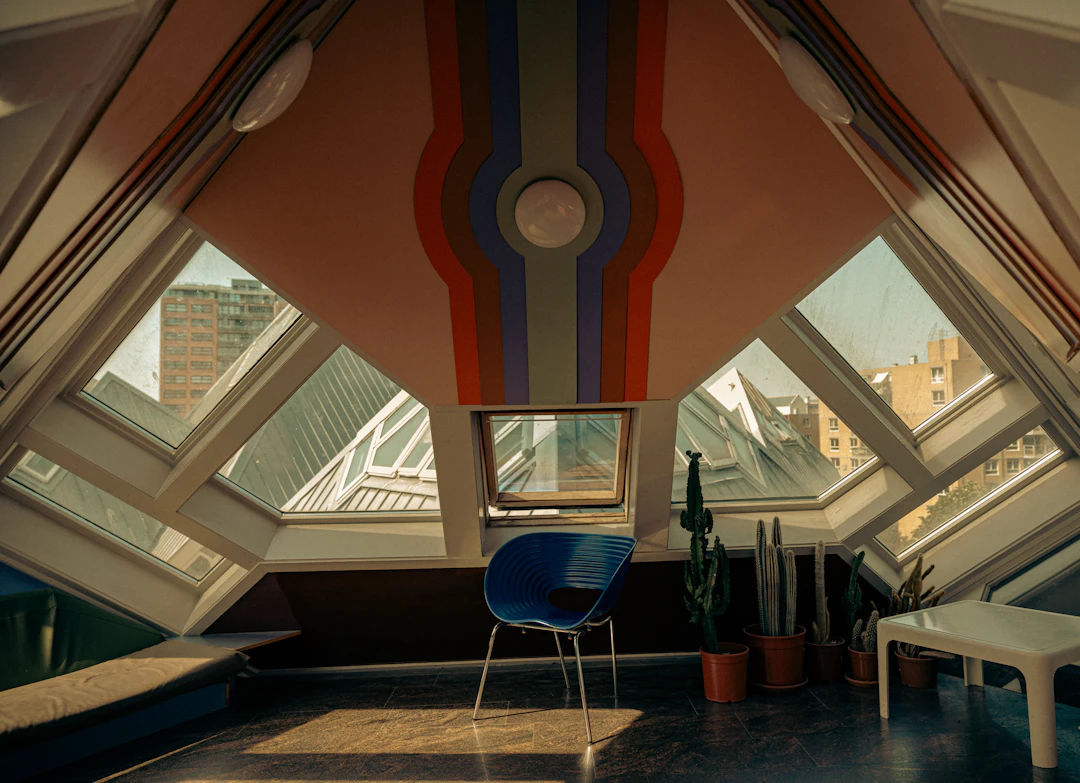
Another significant advantage of loft conversions is the capacity to increase natural light in your home. The strategic installation of skylights or velux windows can transform a once dark and forgotten space into a bright and airy room. This not only improves the overall ambiance but can also positively impact mental well-being.
For tips on incorporating skylights and windows into your loft conversion, read about Bringing Light to Life.
Navigating the Process of Loft Conversion
The process of converting your loft can seem overwhelming at first, yet breaking it down into manageable steps makes it achievable. Here’s a simple outline:
Consultation: Engage with a professional to discuss your ideas, budget, and timeline.
Planning: Apply for planning permission if required and ensure compliance with local building codes.
Design: Work with an architect or designer to create a blueprint that reflects your vision.
Construction: Choose a reputable contractor, like those focusing on loft conversions North London or your local area.
Completion: Enjoy your newly converted loft space!
For tips on choosing the right contractor for your project, explore the article on Choosing the Right Contractor.
A Trend Worth Following
In an era where space is limited and prices are high, loft conversions present an excellent opportunity for London homeowners to unlock their property's potential. With the host of benefits ranging from increased living space and property value to less disruption during construction, it’s no surprise that they have become a popular option across London, particularly in areas like Walthamstow.
Whether you’re considering creating a serene home office, a vibrant kids' playroom, or simply an extra bedroom, a loft conversion could be your golden ticket to enhancing your living space. Not only does it add value to your home but it also enriches your daily life by providing a beautifully designed area that truly feels like yours. Explore the possibilities and discover how a loft conversion could transform your London home.
FAQs
What are the main benefits of a loft conversion for London homes?
The main benefits of a loft conversion include maximising usable space, boosting property value, improved energy efficiency, less disruption compared to traditional extensions, and enhanced natural light in your home.
How much value can a loft conversion add to my London home?
A loft conversion can potentially add up to 20% to the value of your property, making it a valuable investment for homeowners in London.
What types of loft conversions are available in London?
The most common types of loft conversions in London include Dormer, Mansard, and Velux conversions, each offering unique features and benefits.
Is planning permission required for loft conversions in London?
Many loft conversions fall under 'permitted development', meaning planning permission may not be needed, though it's important to check local regulations and criteria.
How does a loft conversion compare to traditional house extensions in terms of disruption?
Loft conversions typically involve less disruption, as they focus on internal work and do not affect lower living spaces, allowing families to maintain their routines.
Comments