Sustainability Considerations for Loft Conversions: A Greener Approach to Your Home


Overview
Homeowners in London are increasingly prioritising sustainability in loft conversions. Key considerations include energy-efficient design, sustainable materials, effective waste management, and compliance with regulations. Popular options like Dormer, Mansard, and Velux conversions can enhance living spaces while being eco-friendly. Choosing the right contractor and incorporating innovative technologies further supports sustainable practices. Ultimately, a sustainable loft conversion not only boosts property value but also contributes positively to the environment.
Contents
As the world increasingly embraces sustainability, homeowners in London are seeking ways to make their living spaces not only beautiful but also eco-friendly. One of the most popular ways to expand your home is through loft conversions. In this article, we will explore the important sustainability considerations for loft conversions, with a particular focus on Loft Conversions London and Loft Conversions North London. Whether you are considering a Dormer Loft Conversion or a Walthamstow loft conversion, keeping sustainability in mind is essential.
Why Sustainability Matters in Loft Conversions
Sustainability is crucial in modern construction for several reasons:
Environmental Impact: Traditional construction methods can harm the environment. Sustainable practices help reduce waste and energy consumption.
Energy Efficiency: Well-planned conversions lead to homes that consume less energy, reducing utility costs and greenhouse gas emissions.
Regulatory Compliance: Building regulations are increasingly emphasising sustainability. Homeowners need to be aware of the applicable regulations for Energy Performance Certificates (EPCs).
Planning Your Loft Conversion Sustainably
Every successful loft conversion project begins with careful planning, especially when considering sustainability. Here are the key considerations:
1. Energy-Efficient Design
Efficient design goes beyond aesthetics. To ensure maximum energy efficiency:
Utilise natural light: Plan windows and skylights to maximise daylight while minimising the need for artificial lighting.
Choose energy-efficient insulation: High-quality insulation materials help maintain consistent indoor temperatures, reducing the need for heating and cooling.
Incorporate renewable energy sources: Consider installing solar panels or heat pumps for your loft conversion to reduce energy reliance.
2. Sustainable Materials
Choosing sustainable materials is another vital aspect of eco-friendly loft conversions. Here’s what to consider:
Use recycled or reclaimed materials for flooring and fixtures.
Opt for sustainably-sourced wood to reduce deforestation impact.
Incorporate low-VOC (volatile organic compounds) paints and finishes to improve indoor air quality.
3. Waste Management
During construction, waste disposal can be a significant concern. Implementing a waste management plan helps minimise landfill contributions:
Plan to recycle materials where possible.
Choose a contractor experienced in managing construction waste sustainably.
Donate reusable fixtures and fittings to charity shops or local community projects.
Meeting Regulatory Requirements
Before embarking on your loft conversion journey, it is essential to navigate the various regulations regarding building codes and sustainability. Compliance ensures that your conversion is not only safe but also environmentally friendly. Consult resources about mastering the regulations and building codes for loft conversions in London to ensure you are on the right track.
The Benefits of Sustainable Loft Conversions
Investing in a sustainable loft conversion carries several benefits:
Increased Property Value: Eco-friendly homes are increasingly desirable and can command higher prices.
Lower Utility Bills: A sustainable design focuses on efficiency, leading to significant savings on energy costs.
Healthier Living Environment: Sustainable materials and improved air quality contribute to the well-being of you and your family.
Popular Loft Conversion Options with Sustainability in Mind
There are various loft conversion types to consider, each with unique benefits. Let's explore some options that blend sustainability with function:
Dormer Loft Conversions
Dormer loft conversions are ideal for adding space and headroom while maintaining a striking look. They allow for larger windows, increasing the use of natural light and enhancing energy efficiency. This conversion option is particularly popular in urban areas like Walthamstow due to its effectiveness in maximising space while creating an eco-friendly atmosphere.
Mansard Loft Conversions
The key advantage of Mansard loft conversions is that they can seamlessly blend with the existing structure, providing ample space and additional aesthetic appeal. Choosing sustainable materials and energy-efficient designs will help ensure these conversions meet both sustainability goals and regulatory requirements. Explore your options with our guide on extensions vs loft conversions for more insights.
Velux Loft Conversions
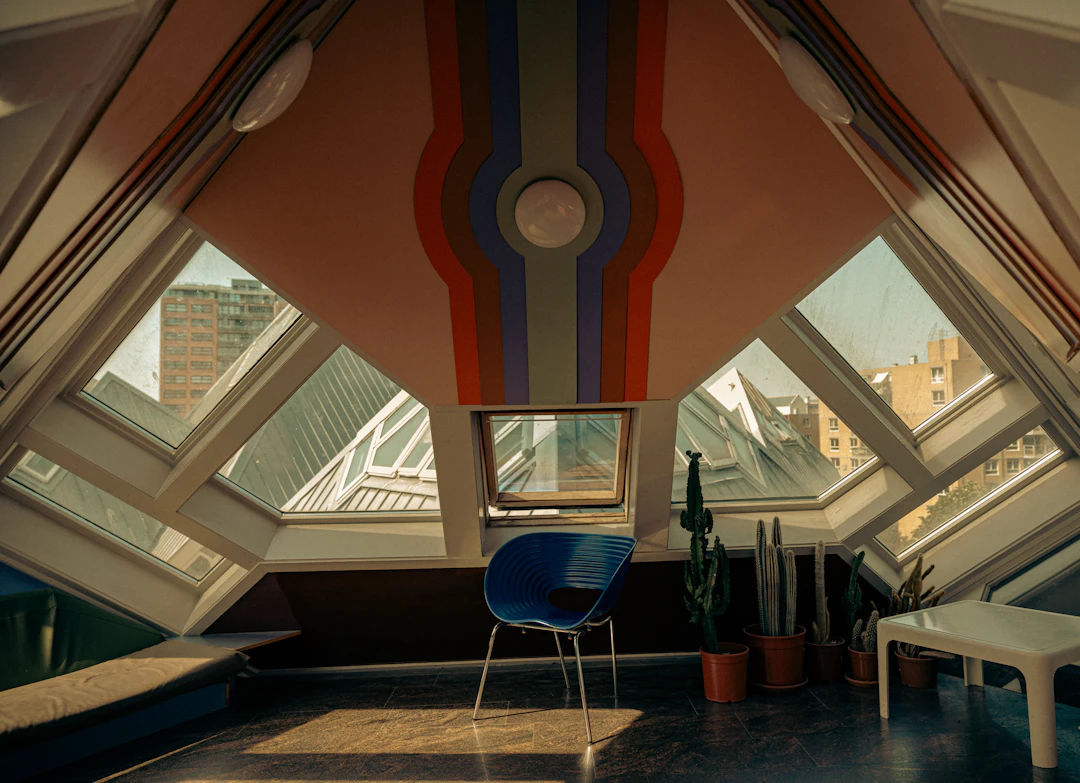
Also known as rooflight conversions, Velux loft conversions involve installing skylights to bring in light without altering the roof's angle. This design is less intrusive and can be an excellent way to enhance energy efficiency by incorporating high-performance glazing.
Working with Sustainable Contractors
Choosing the right contractor for your loft conversion project is vital. Look for professionals who have a strong commitment to sustainable practices.
Ensure they have experience with eco-friendly materials and techniques.
Request references from past projects focusing on sustainability.
Confirm they are familiar with local regulations concerning eco-friendly builds.
Innovative Technologies for Sustainable Loft Conversions
New technologies are continuously emerging, providing innovative solutions for sustainable building. Consider the following:
Smart Home Technology: Implement smart thermostats and energy management systems to optimise energy use.
Rainwater Harvesting: Install systems to collect rainwater for non-potable uses, helping alleviate water usage.
Maximising Space Efficiently
In addition to sustainability, consider how your loft conversion can maximise usable space. Effective storage solutions and functional layouts are essential:
Incorporate built-in furniture to optimise space.
Create multifunctional areas to enhance usability.
Inspiring Eco-Friendly Loft Conversion Ideas
Feeling inspired? Here are some creative ideas to incorporate sustainability into your loft conversion:
Create a green roof for additional insulation and urban biodiversity.
Install energy-efficient lighting for a stylish yet economical approach.
Utilise eco-friendly furnishings and décor that tell a sustainable story.
Think Long-Term: The Value of Sustainable Choices
In today's world, sustainability is not just a trend; it’s a way of life. When planning a loft conversion, marrying aesthetic improvements with eco-friendly practices ensures that your home evolves in a way that benefits both you and the planet. By integrating these sustainability considerations into your loft conversion, you not only enhance your living space but also contribute positively to the environment.
Embarking on a loft conversion journey requires research, creativity, and commitment to sustainable practices. With the various options available, including Loft Conversions North London and specific approaches such as Walthamstow loft conversions, your dream space is achievable. For more guidance, discover how you can unlock the potential benefits of loft conversions for London homes. Your journey towards sustainability starts with informed choices, and every step you take contributes to making a lasting impact.
FAQs
What are the sustainability considerations for loft conversions?
Key considerations include energy-efficient design, the use of sustainable materials, and effective waste management during construction.
Why is sustainability important in loft conversions?
Sustainability reduces environmental impact, enhances energy efficiency, and ensures compliance with increasing regulatory requirements.
What are some eco-friendly materials suitable for loft conversions?
Recycled or reclaimed materials, sustainably-sourced wood, and low-VOC paints are great options for an eco-friendly loft conversion.
How can I ensure my loft conversion meets regulatory requirements regarding sustainability?
Consult resources about building regulations and ensure your project complies with local building codes focused on sustainability.
What are the benefits of choosing a sustainable approach for loft conversions?
Benefits include increased property value, lower utility bills, and a healthier living environment for you and your family.
Comments