The Power of Natural Light in Loft Conversions: Transforming Your Space


Overview
Maximising natural light in loft conversions is crucial for enhancing mood, productivity, and property value. Key strategies include using skylights, large windows, reflective surfaces, open floor plans, and light colour palettes. Consult architects, consider orientation, and stay informed about building regulations to effectively incorporate light into your design. Smart technology can further optimise light management.
Contents
When considering loft conversions in London, one of the most critical factors to contemplate is natural light. The presence of ample natural light not only enhances the aesthetic appeal of the newly created space but also plays a significant role in the overall functionality and ambience of the room. In this article, we’ll explore the role natural light plays in loft conversions, its impact on mood and productivity, and practical tips on maximising light in spaces such as Walthamstow loft conversions.
Why Natural Light is Essential
Natural light has profound effects on both physical and mental well-being. The influx of sunlight can elevate mood, enhance focus, and promote a sense of calm within a space. Particularly in urban areas like London, where natural light may be at a premium due to surrounding buildings, the clever incorporation of windows and skylights in loft conversions becomes even more vital.
Improves Mood: Natural light aids in the production of serotonin, a hormone that boosts mood and energy.
Enhances Productivity: Studies show that well-lit spaces can improve concentration and overall productivity.
Creates Illusion of Space: A room flooded with light can appear larger and more open—a desirable quality in loft conversions.
Energy Efficiency: By utilising daylight, you can reduce the need for artificial lighting during the day, leading to lower energy bills.
Designing for Light in Loft Conversions
When planning a loft conversion, especially in urban settings, it’s essential to consider design options that maximise natural light. Here are some strategies to effectively incorporate lighting into your design:
1. Skylights and Roof Windows
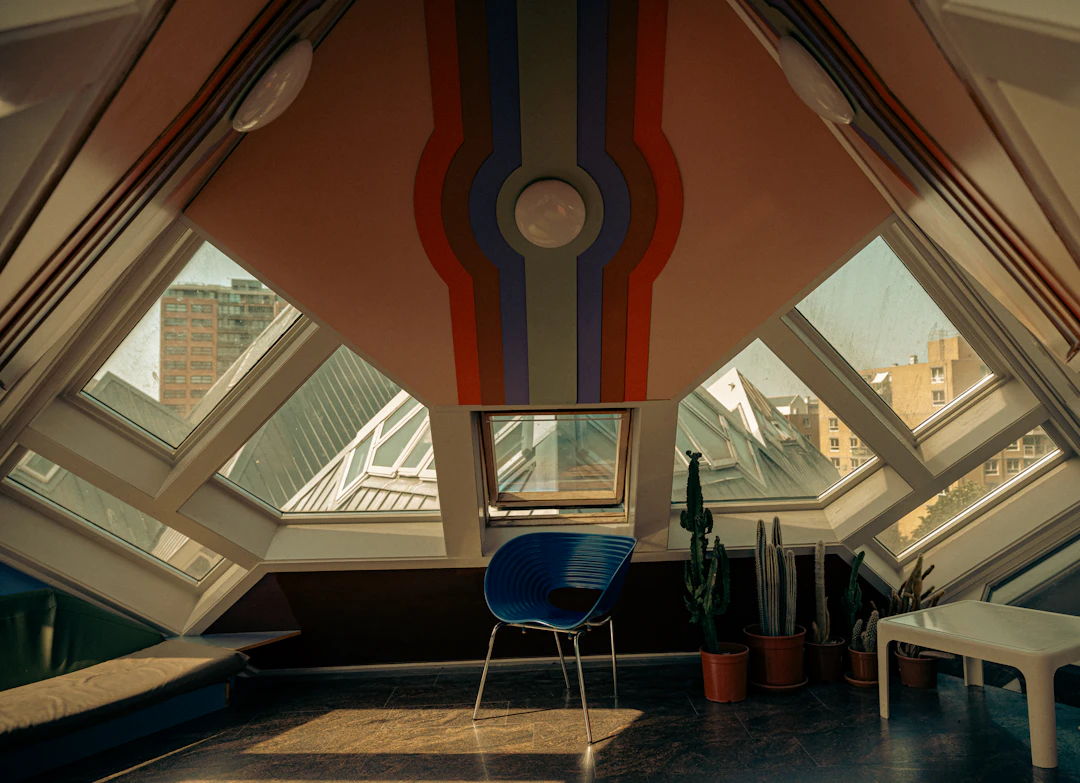
One of the best ways to introduce natural light into your loft is by using skylights or roof windows. These not only allow light to pour into the room but also offer spectacular views of the sky, which can be especially enjoyable in residential areas of North London. Options such as dormer loft conversions can benefit significantly from well-placed skylights, creating a bright and welcoming environment.
2. Large Windows
In cases where space allows, incorporating large windows can dramatically increase the amount of natural light entering your loft. This is particularly important for house extensions in London, where open, airy spaces are highly sought after. The use of glass doors or expansive windows can create a flow between indoor and outdoor spaces, enhancing the feeling of openness.
3. Reflective Surfaces
Utilising reflective surfaces such as glass, mirrors, and metallic accents can aid in bouncing natural light around the room. This method is particularly effective in smaller spaces where maximising light is essential.
4. Open Floor Plans
Maintaining an open floor plan in your loft conversion can improve the flow of light throughout your newly transformed space. By minimising obstructions such as walls, you will help light permeate deeper into the loft.
5. Light Colours
Choosing a light colour palette for walls, floors, and furnishings can enhance the effect of natural light. Soft whites, pastels, and light woods reflect more light, making the space feel larger and brighter.
Practical Steps for Implementing Natural Light in Your Loft Conversion
To seamlessly integrate natural light into your loft conversion project, follow these practical steps:
Consult Your Architect: Seek advice from an architect familiar with loft conversions in London to discuss viable options for maximising light.
Consider Orientation: Identify which direction your loft faces. South-facing lofts typically receive more sunlight throughout the day.
Apply for Planning Permissions: Ensure you are aware of local planning laws, especially for installations like roof windows. It’s crucial for projects such as Walthamstow loft conversions.
Be Mindful of Neighbouring Buildings: When you’re in a densely populated area, consider how surrounding buildings could affect your loft’s light access.
Integration of Smart Technology to Manage Light
Smart home technology has evolved significantly, allowing homeowners to manage natural light more effectively. Automated blinds, for instance, can be controlled via phone applications and can help regulate light levels throughout the day. This element of control can enhance both comfort and energy efficiency. Consider exploring smart home technology during your loft conversion for a modern, user-friendly experience.
Understanding Building Regulations
Before proceeding with your loft conversion, it's essential to familiarise yourself with the relevant building regulations. Whether you're in East London or North London, specific rules govern loft conversions to ensure safety and integrity. You can find valuable information on this by visiting the Understanding Building Regulations for Home Extensions in London blog.
Maximising Resale Value with Natural Light
Naturally lit spaces significantly influence potential buyers' decisions. Homeowners are increasingly prioritising bright, airy spaces that enhance their quality of life. Particularly in London, where space is limited, optimising your loft conversion with natural light can elevate property value. If you're considering the return on investment for your renovation project, you may benefit from looking at whether a loft conversion or house extension adds more value to your home.
A Bright Future Awaits!
As we have explored, natural light plays a transformative role in loft conversions, enhancing the overall atmosphere, improving mood, and increasing property value. By implementing design strategies that emphasise light—such as large windows, skylights, and open floor plans—you can create a stunning and functional space that not only meets your needs but also delights your senses. As urban living spaces continue to evolve, the importance of natural light will remain constant, reinforcing its value in a successful loft conversion project.
FAQs
Why is natural light important in loft conversions?
Natural light is essential in loft conversions as it enhances mood, boosts productivity, creates an illusion of space, and contributes to energy efficiency.
What are some design features to maximise natural light in loft conversions?
Design features to maximise natural light include skylights and roof windows, large windows, reflective surfaces, open floor plans, and light colour palettes.
How can smart technology help manage natural light in my loft?
Smart technology, such as automated blinds, allows homeowners to control natural light levels effectively, enhancing comfort and energy efficiency throughout the day.
What practical steps should I take to implement natural light in my loft conversion?
Practical steps include consulting with an architect, considering the orientation of your loft, applying for planning permissions, and being mindful of neighbouring buildings.
How does natural light affect the resale value of a property?
Naturally lit spaces significantly influence potential buyers' decisions, as bright and airy environments are increasingly prioritised, potentially elevating property value.
Comments