Transform Your Space: Incorporating Smart Home Technology into Extensions


Overview
Smart home technology is revolutionising house extensions by enhancing comfort, security, and energy efficiency. Integrating devices like smart lighting, security systems, and thermostats can increase property value and improve daily living experiences in loft and kitchen extensions. Proper planning, budgeting, and choosing compatible products are essential for successful implementation. Embracing this technology can transform your home into a modern, efficient space.
Contents
In modern society, the integration of smart home technology is reshaping the way we interact with our living spaces. As homeowners seek to improve comfort, security, and efficiency, the trend of incorporating smart technology into house extensions and loft conversions grows more prevalent. This blog explores how smart home devices can elevate your home extension project, specifically focusing on Loft Conversions London, Loft Conversions North London, Kitchen Extensions London, and more. Let’s dive into how the intelligent integration of technology can enhance your living areas!
Understanding Smart Home Technology
Smart home technology encompasses various devices and systems that connect to the internet, allowing users to control them remotely via smartphones or other devices. These technologies enhance functionality and improve the user experience by enabling features such as automation, remote monitoring, and energy efficiency. Some of the most common forms include:
Smart Lighting: Controls that allow you to adjust the brightness and colour of your lights from anywhere.
Smart Security: Systems that include cameras, alarms, and smart locks for enhanced home security.
Smart Thermostats: Devices that learn your habits and adjust heating and cooling accordingly, saving energy and money.
Smart Home Hubs: Central systems that manage all your smart devices and create automated routines.
Why Integrate Smart Technology into Home Extensions?
When it comes to building a new extension, embracing smart technology is not only about luxury but also about enhancing usability and practicality. Here are several reasons to consider:
1. Increased Property Value
Investing in dormer loft conversions or any house extension with integrated smart technology can add significant value to your home. Prospective buyers are increasingly looking for homes equipped with modern capabilities. Smart technology doesn't just make a home more desirable; it also stands out in a competitive market.
2. Enhanced Comfort and Convenience
With smart features, you can control your environment at the touch of a button or, better yet, through voice commands. Imagine having your lights adjust as you walk through a newly constructed kitchen extension in London. From adjusting room temperatures to automating coffee machines, smart technology enhances everyday comfort.
3. Improved Energy Efficiency
One of the most appealing aspects of smart home technology is its potential for energy savings. Smart thermostats can learn your preferences and schedule, optimising your heating and cooling for maximum efficiency. This is especially useful during seasonal changes in London, as it can help keep your energy bills lower in loft conversions North London.
4. Tailored Experiences with Automation
Smart technology can provide tailored experiences for residents. For example, you can automate your home to create specific atmospheres for different occasions – dim lights for movie nights, or an energising setting for morning routines. This versatility is particularly advantageous in new home extensions, where design and functionality can blend seamlessly.
Smart Technology Applications in Specific Extensions
Now that we’ve touched on the benefits of integrating smart technology into your home, let's delve into how these systems can be tailored to specific types of extensions, including loft conversions and kitchen extensions.
Loft Conversions
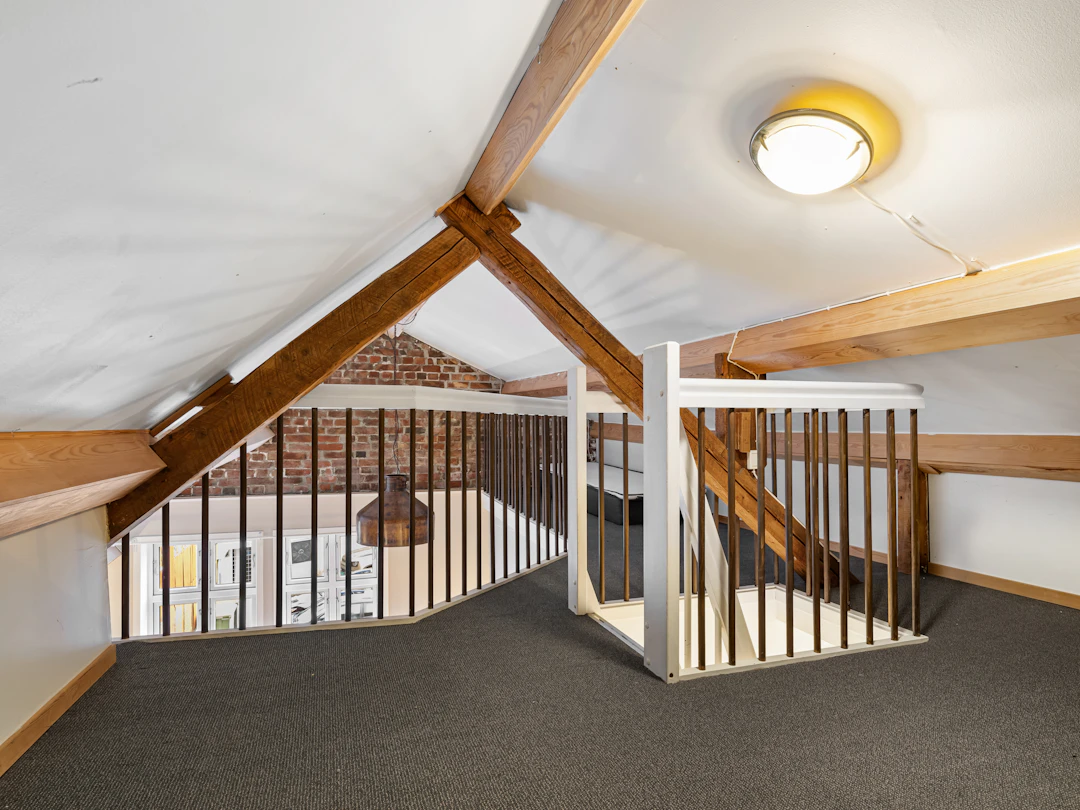
Loft conversions present unique opportunities for technological integration. Depending on the conversion style – whether it be dormer loft conversions or manor types – there are various smart devices you can implement:
Smart Windows: Install smart shades or windows that allow for remote control of natural light and privacy.
Smart Speakers: Create an entertainment hub with integrated smart speakers and a sound system in your loft space.
Smart Climate Control: Use smart thermostats to maintain optimal temperature levels without needing to manually adjust settings.
By incorporating these smart functionalities, you not only amplify the usability of the converted loft but also create a modern oasis in your home.
Kitchen Extensions
When planning kitchen extensions in London, the integration of smart technology becomes even more exciting, allowing for culinary convenience and safety:
Smart Appliances: Refrigerators that alert you when supplies are low, ovens that can be preheated remotely, and dishwashers that can be operated from your smartphone can revolutionise cooking and cleaning.
Smart Lighting Systems: Create ambience for cooking or dining using adjustable colour temperatures to suit different moods and moments.
Home Assistant Integration: Connect devices through a home assistant for voice-activated commands, such as setting timers or getting recipes while cooking.
Combining these modern conveniences will make your new kitchen extension a hub of innovation and functionality.
Planning for Smart Technology Integration
Before hopping on the smart home technology bandwagon, thorough planning is crucial. Here are some recommendations to keep in mind:
1. Assess Infrastructure
Your home’s existing infrastructure is fundamental when considering smart technology. Ensure you possess adequate Wi-Fi coverage throughout your property, as many smart devices rely on a strong internet connection.
2. Budget Wisely
Smart home devices can range in price. Make sure to establish a budget for your technology without compromising on quality. Investing in reliable devices can save you time and costs in the long run.
3. Choose Compatible Products
Ensure the smart devices you choose are compatible with each other to avoid compatibility issues. Opting for products connected to the same ecosystem can simplify management and automation.
4. Installation Considerations
Depending on the complexity of the smart technology, it may require professional installation. Consulting with a professional who understands both extensions and smart technology can ensure proper integration.
For those considering the complexities of home extension projects, be sure to explore choosing between different types of extensions to best suit your needs and enhance your property’s value.
Bringing It All Together
As we embrace the future, the incorporation of smart home technology into your home extensions can offer an assortment of benefits—from improving property value, enhancing daily living experience, to increasing energy efficiency. With specific attention to various types of additional spaces like loft conversions and kitchen extensions in London, the fusion of intelligent technology offers unparalleled opportunities for customised living solutions.
Incorporating smart technology into extensions not only prepares your home for the future but can also transform how you interact with your personal space. While planning your upgrades, consider consulting resources like loft conversions vs. house extensions to ensure you make the most informed decisions. With this foundational understanding, the possibilities for your home extension are limitless, paving the way for a smarter, more efficient, and ultimately, a more enjoyable home environment.
FAQs
What is smart home technology?
Smart home technology refers to various devices and systems that connect to the internet, allowing users to control them remotely via smartphones or other devices, enhancing functionality and improving user experience.
Why should I integrate smart technology into my home extensions?
Integrating smart technology into home extensions can increase property value, enhance comfort, improve energy efficiency, and provide tailored experiences through automation.
What types of smart devices can I use in loft conversions?
In loft conversions, you can use smart windows, smart speakers, and smart climate control devices to enhance usability and create a modern living space.
What benefits do smart appliances offer in kitchen extensions?
Smart appliances in kitchen extensions can alert you when supplies are low, allow remote preheating of ovens, and enable operation of dishwashers via smartphone, revolutionising cooking and cleaning.
What should I consider when planning for smart technology integration?
When planning for smart technology integration, assess your home's infrastructure, budget wisely, choose compatible products, and consider professional installation for complex systems.
Smart home automation in Surrey is transforming how homeowners manage comfort, security, and energy efficiency. From voice-controlled lighting and climate systems to smart locks and CCTV integration, local providers are helping residents create seamless, connected living spaces tailored to their lifestyle. Surrey's growing tech-savvy population and expanding new-build developments make it an ideal market for automation upgrades, whether retrofitting older homes or designing smart features into new properties. Professional installers in the area often combine systems like Control4, Lutron, or Google Home with tailored wiring solutions, ensuring reliability and ease of use. As demand rises, Surrey is becoming a strong regional hub for smart home innovation and service excellence.
Pulled a still from my latest episode to use as a thumbnail and my guest's tie had this wild interference pattern all across it. Rerecord wasn't an option. Ran the frame through this video moire tool and popped it back into my template. Saved me two hours of pain.