Transform Your Space: A Comprehensive Guide to Acoustic Insulation in Loft Conversions


Overview
Loft conversions are increasingly popular for maximising space, especially in urban areas like London. Acoustic insulation is crucial for enhancing comfort, functionality, and privacy in these conversions by minimising noise disruptions. There are various materials available, such as mineral wool and acoustic batts, and professional installation is recommended for effectiveness. Proper planning and consideration of local regulations are essential for a successful loft conversion. Investing in acoustic insulation not only improves living conditions but also adds value to your home.
Contents
Loft conversions have become a popular choice for homeowners looking to maximise the potential of their properties, particularly in bustling areas like London. With the rising trend of Loft Conversions London, ensuring that your new space is comfortable and functional is essential. Acoustic insulation plays a pivotal role in enhancing the usability of loft conversions by minimising noise disruptions and creating a peaceful sanctuary within the home. In this guide, we will explore the importance of acoustic insulation in loft conversions, how it can affect your living environment, and what options are available to you.
Understanding Acoustic Insulation
Acoustic insulation is designed to reduce sound transmission between spaces, making it an important consideration in any loft conversion project. Whether you are creating a quiet study, a music room, or simply an additional bedroom, incorporating effective acoustic insulation can significantly enhance the comfort of the space.
Noisy Neighbours: One of the common complaints in urban living is noise from neighbours or busy streets. Acoustic insulation can help dampen these sounds, providing a more peaceful environment.
Multi-Use Spaces: Loft conversions are often multi-functional. Whether the area serves as an office by day and a guest room by night, soundproofing can be vital for maintaining privacy.
Enhanced Property Value: Well-insulated spaces, like Dormer Loft Conversions, not only offer comfort but also improve property values, making your home more attractive to potential buyers.
The Importance of Acoustic Insulation in Loft Conversions
When it comes to Loft Conversions North London, the need for effective acoustic insulation is critical. Here’s why:
1. Comfort and Functionality
A well-insulated loft conversion provides a comfortable atmosphere for its occupants. Not only does it help maintain ambient temperatures, but the sound insulation capabilities can contribute to a truly functional living space. Imagine enjoying your evening in a home office devoid of the typical urban distractions!
2. Increased Privacy
In a city where homes are often closely situated, privacy is a significant concern. Acoustic insulation allows individuals to enjoy their spaces without being disturbed by external noises or sounds from other areas of the house. This customisation can elevate the overall experience of the loft conversion, especially in areas such as Walthamstow Loft Conversion projects.
3. Energy Efficiency
Acoustic insulation materials often offer thermal insulation qualities, too. By reducing the amount of energy needed for heating or cooling the loft space, acoustic insulation contributes to overall energy efficiency in the home.
Types of Acoustic Insulation Materials
There are several types of acoustic insulation materials you can consider when planning your loft conversion:
Mineral Wool: One of the most common acoustic insulation materials, mineral wool is effective at absorbing sound waves and also has thermal insulation properties.
Foam Panels: These lightweight panels can be easily installed and are particularly effective at blocking high-frequency noises.
Acoustic Batts: Made specifically for soundproofing, acoustic batts fit snugly between rafters and joists, providing exceptional sound absorption.
Mass Loaded Vinyl (MLV): MLV is a heavy, flexible material that can be hung on walls or ceilings to block sound transmission. It’s known for its effectiveness but may require professional installation.
Planning Your Loft Conversion
As you embark on the journey of your loft conversion, understanding local regulations becomes essential. The planning permission and building regulations for loft conversions vary within different parts of London. You can find valuable insights in the blog about mastering the regulations and building codes for loft conversions in London.
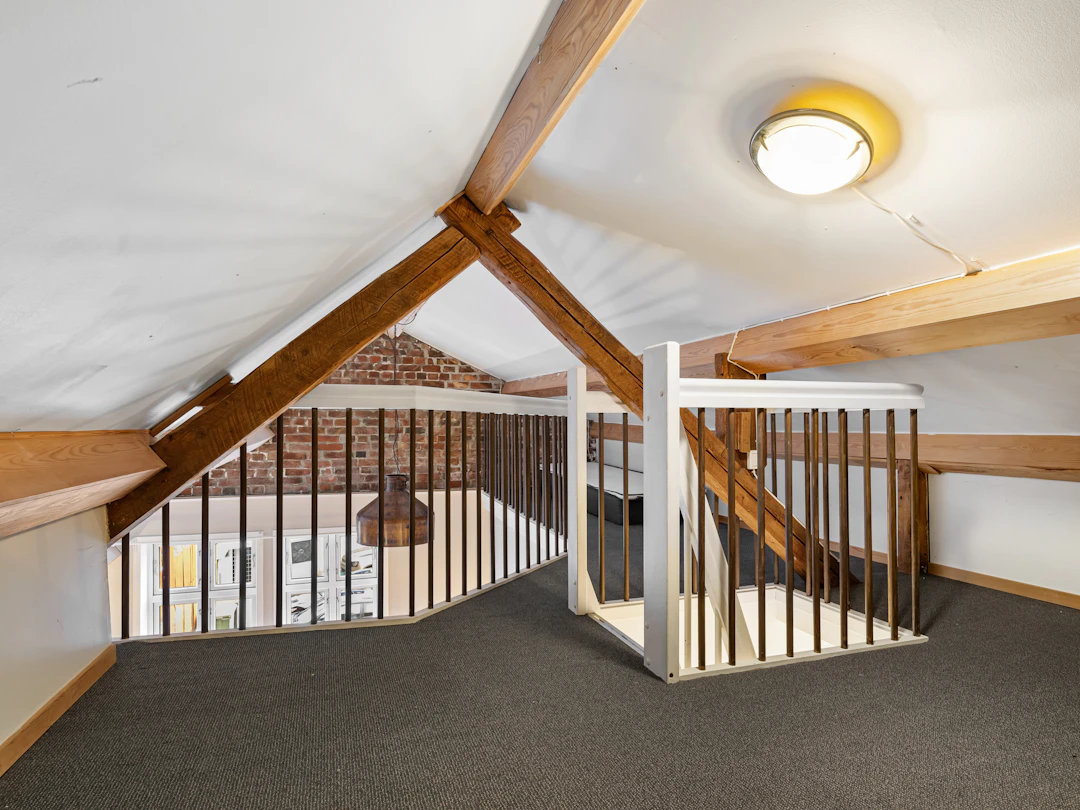
Moreover, deciding the configuration of your loft will influence the acoustic insulation choices available to you. You might opt for a Dormer Loft Conversion for added headspace, and in such cases, planning the sound insulation appropriately will enhance the comfort of the converted loft.
Installing Acoustic Insulation
The installation of acoustic insulation in loft conversions requires careful planning and expertise. Here are some tips:
Professional Installation: It is often best to hire professionals who specialise in insulation to ensure that it is fitted correctly and efficiently.
Seal Gaps: Pay attention to sealing any gaps, joints, or openings as sound can seep through and diminish the effectiveness of the insulation.
Combine Methods: Sometimes, a combination of different insulation materials works best, serving different sound reduction needs.
Cost Considerations for Acoustic Insulation
When planning your loft conversion, it’s essential to factor in the cost of acoustic insulation. The budget will vary depending on factors such as the size of the conversion, the type of materials you choose and whether you engage professional installers. To get a more detailed understanding, consider checking out the blog on cost factors to consider when planning a loft conversion.
Maximising Your Space
Acoustic insulation not only enhances the living experience in your loft conversion but can be a crucial part of the overall design. Consider how different elements work together—both acoustically and aesthetically—to maximise your new living space. Whether you’re leaning towards Loft Conversions East London or pondering the benefits of house extensions, ensuring that your designs consider acoustic insulation will pay off in terms of comfort and satisfaction.
Final Touches: Making Your Loft a Home
As you complete your loft conversion, adding the final touches will be crucial. Acoustic insulation should not be an afterthought but integrated into the overall design theme. With the right materials and planning, you can create a serene oasis in your loft, free from the hustle and bustle of city life. By investing in quality acoustic insulation, you enhance not only your living experience but also the longevity and value of your home.
As you embark on your loft conversion journey, remember that the blend of acoustic insulation, design, and functionality will lead to success. Explore your options, work with professionals, and unlock the potential of your new space. You deserve a home that reflects your style while providing comfort and serenity!
FAQs
What is acoustic insulation and why is it important in loft conversions?
Acoustic insulation is designed to reduce sound transmission between spaces, making it essential for loft conversions to enhance comfort and functionality by minimising noise disruptions.
How can acoustic insulation improve the comfort of a loft conversion?
By helping to maintain ambient temperatures and reducing external noises, acoustic insulation creates a more comfortable living environment in loft conversions.
What types of materials are suitable for acoustic insulation in loft conversions?
Common acoustic insulation materials include mineral wool, foam panels, acoustic batts, and mass loaded vinyl (MLV), each offering different soundproofing benefits.
Do I need planning permission for installing acoustic insulation in my loft conversion?
While acoustic insulation itself may not require planning permission, the overall loft conversion project must adhere to local regulations, which can vary across different areas.
What factors should I consider regarding the cost of acoustic insulation?
Costs vary based on the size of the conversion, type of insulation materials used, and whether you hire professional installers, so it's important to budget accordingly.

Comments