Mastering Your Budget for a Loft Conversion: Essential Insights!


Overview
Loft conversions are an excellent way to expand your home and increase its value, especially in London. This article provides essential budgeting tips for your loft conversion, including planning fees, structural costs, and the importance of a contingency fund. It emphasizes the need for thorough research, obtaining multiple quotes, and choosing the right contractor. By preparing effectively, you can successfully navigate the financial aspects of your loft conversion and realise your dream space.
Contents
When it comes to expanding your home without the hassle of relocating, loft conversions often present an attractive option. Particularly in the bustling environments of London, converting unused loft space into functional living areas can significantly enhance your property's value and usability. However, with any construction project, having a solid understanding of your budget is crucial. This article offers valuable insights into budgeting for your loft conversion, helping you navigate the financial landscape effectively.
The Allure of Loft Conversions
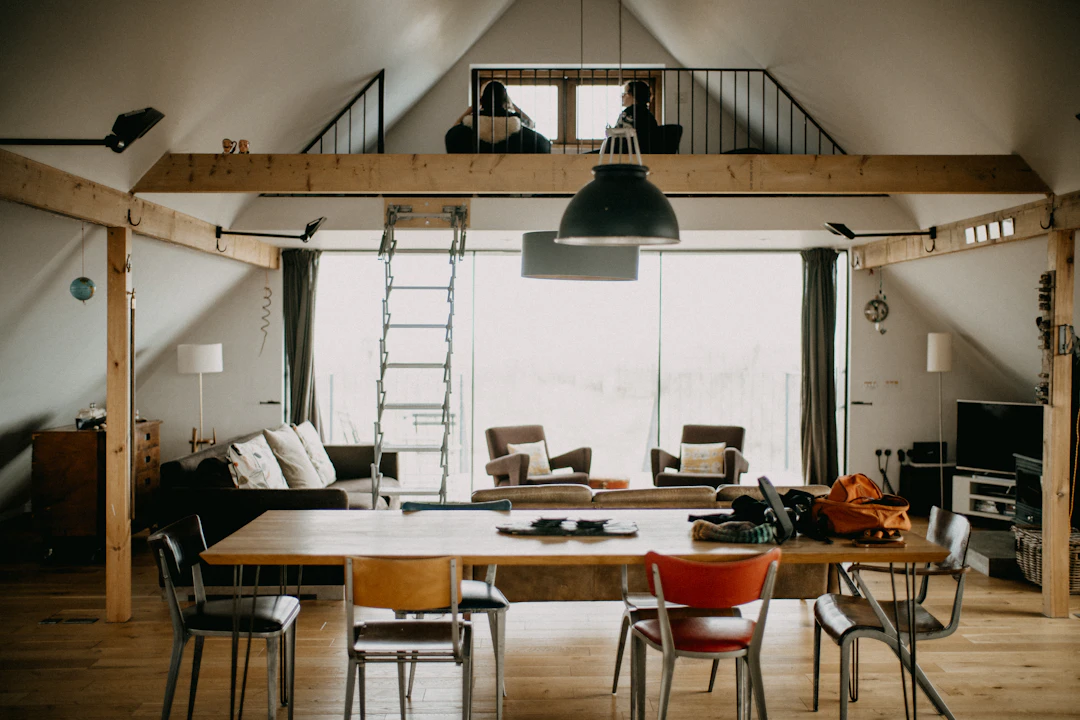
Loft conversions are an ideal way to make the most out of your property's footprint. Whether you have a traditional Victorian terrace or a modern townhouse, a well-executed loft conversion can yield diverse benefits, including:
Increased Property Value: Property values in London can fluctuate, but studies indicate that loft conversions frequently add considerable value.
Extra Living Space: With the hustle of modern living, having more space for a spare bedroom, office, or play area is invaluable.
Urban Living Appeal: Especially in areas like North London where space is a premium, having an attractive loft can enhance the appeal of your home.
Budgeting Basics: Understanding Costs
When embarking on a loft conversion, understanding the various factors that contribute to costs is key. Here’s a breakdown of potential expenses you may encounter:
1. Planning and Design Fees
Before any construction can commence, you will need to invest in planning and design. Hiring an architect or surveyor can range anywhere from £500 to £3,000 or more depending on the complexity of your plans and your location. Don't forget to account for costs associated with obtaining planning permission if your conversion requires it.
2. Structural Work
This is potentially the most significant aspect of your budget. Costs can vary greatly based on the type of loft conversion you're considering, such as:
Dormer Loft Conversions: These consistently rank as one of the most popular options, generally costing between £25,000 to £50,000.
Mansard Conversions: If your planning allows, these can offer extensive space but might set you back between £45,000 and £75,000.
3. Insulation and Windows
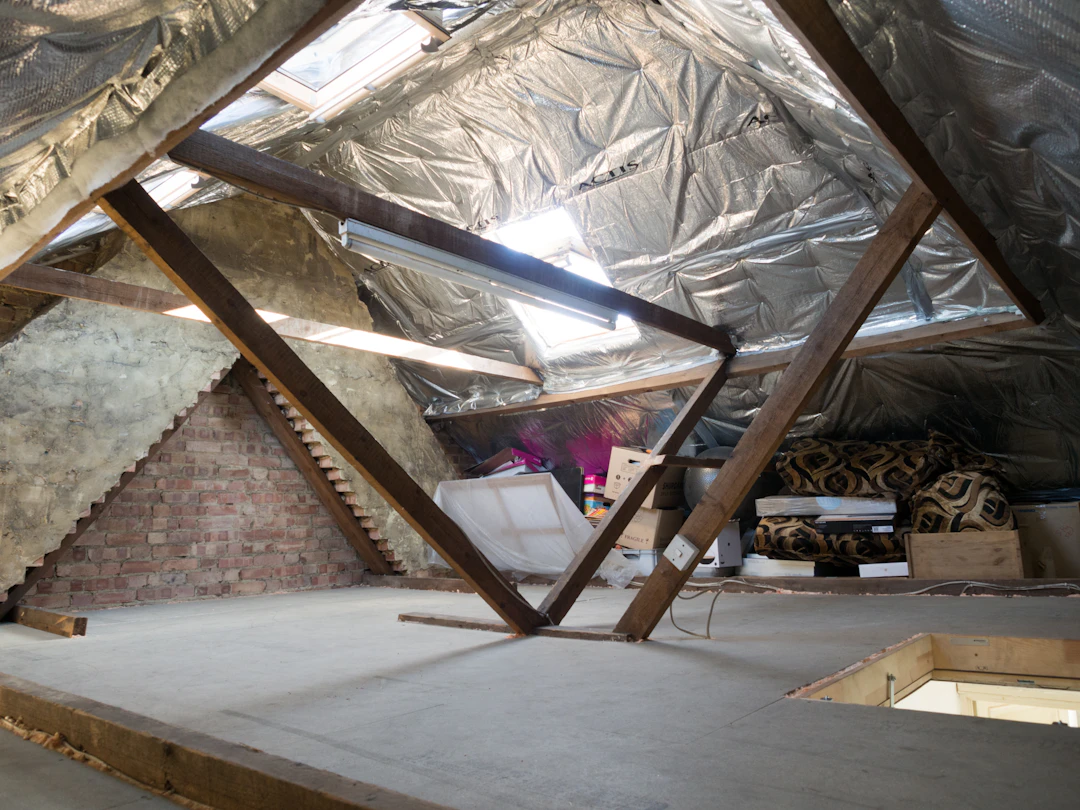
Proper insulation and energy-efficient windows are essential for comfort and legality under UK building regulations. Allocating around 10-15% of your budget here ensures optimal performance.
4. Interior Finishing
Once structural elements are in place, consider the costs of fixtures, fittings, and decorations. This can often become an unexpected expense, with budgets ranging from a few thousand to tens of thousands depending on choices. Be realistic about both style and quality when dreaming about your new loft space!
Unexpected Expenses: Planning for Contingencies
Every construction project can have its fair share of surprises. Factors such as bad weather, unforeseen structural issues, or even changes in planning rules can inevitably cause delays and increased costs. It's advisable to set aside 10-20% of your overall budget as a contingency fund.
Comparing Loft Conversions and House Extensions
For those considering expanding their home, it’s essential to assess the viability of house extensions versus loft conversions. While extensions provide ground-level space, they may have greater impacts on your garden and may be less suitable for terraced homes. Loft conversions, on the other hand, often come with fewer external disruptions and added privacy.
Maximising Your Budget: Tips and Tricks
To make the most of your budgeting efforts, consider the following strategies:
Get Multiple Quotes: Always obtain at least three detailed quotes from reputable builders in the London area to ensure competitive pricing.
Do Your Own Research: Familiarise yourself with common components and costly upgrades before discussing details with contractors.
Be Flexible: If you're open to choosing less popular materials or design options, you may significantly lower costs.
Phase the Project: If your budget is tight, consider completing your loft conversion in stages and prioritising essential elements first.
Choosing the Right Contractor
The contractor you choose can greatly influence both the quality and cost of your loft conversion. For guidance, consider reading about choosing the right contractor to ensure you’re not only getting the best value but also a clear communication channel throughout the entire process.
Regulatory Considerations
In any loft conversion, especially within London’s diverse architecture, adhering to planning and building regulations is vital. Understanding these regulations can save you from costly mistakes and unnecessary delays. For a quick overview, read on the essentials of regulations and building codes applicable to your project.
Finding Budget Solutions in Walthamstow
If your dream project is a Walthamstow loft conversion, local builders may offer competitive pricing and unique solutions. Make sure to research and reach out to contractors in your area to explore tailored options.
Your Path to a Dream Loft
In summary, budgeting for your loft conversion can be a manageable process if you arm yourself with knowledge and prepare in advance. From understanding typical expenses to knowing the ins and outs of planning permissions, the insights provided here aim to equip you for success. Build a realistic budget plan with flexibility, gather quotes, and consider all aspects of the project to ensure your loft conversion project stays on track and within budget.
Embarking on a loft conversion can transform your home and lifestyle – don’t let financial stress hold you back. With careful planning and informed decisions, your dream loft can become a reality!
FAQs
What are the benefits of a loft conversion?
Loft conversions can increase your property's value, provide extra living space, and enhance the appeal of your home, especially in urban areas where space is limited.
What costs should I consider when budgeting for a loft conversion?
Key costs include planning and design fees, structural work, insulation and windows, and interior finishing. It's also wise to set aside a contingency fund for unexpected expenses.
How much can I expect to pay for a loft conversion?
Prices can vary greatly depending on the type of conversion. For example, dormer loft conversions typically range from £25,000 to £50,000, while mansard conversions can cost between £45,000 and £75,000.
What are some tips for maximising my budget for a loft conversion?
Consider obtaining multiple quotes from builders, doing your own research on costs, being flexible with materials, and potentially phasing the project to manage expenses.
Why is it important to understand planning and building regulations for a loft conversion?
Understanding the relevant regulations can help you avoid costly mistakes and delays, ensuring your loft conversion meets all necessary legal requirements.

Comments