Exploring the Diverse Types of Loft Conversions: Which One is Right for You?


Overview
Loft conversions are a popular way to maximise living space in London homes, offering options like dormer, mansard, Velux, hip-to-gable, and L-shaped conversions. Benefits include increased property value, minimal disruption, and improved energy efficiency. Consider planning permissions, building regulations, budget, and choosing a reliable contractor before starting your project. Each type of conversion has unique advantages, making it essential to select one that suits your needs and enhances your lifestyle.
Contents
Loft conversions are becoming increasingly popular in urban areas like London, especially as homeowners look to maximise their living space without uprooting their lives. Whether you're seeking extra bedrooms, a home office, or perhaps a playroom for the kids, there's a loft conversion type that might just suit your needs perfectly. In this comprehensive guide, we will delve into various types of loft conversions available, specifically focusing on options ideal for homes in London, including Loft Conversions London and Loft Conversions North London.
Understanding Loft Conversions
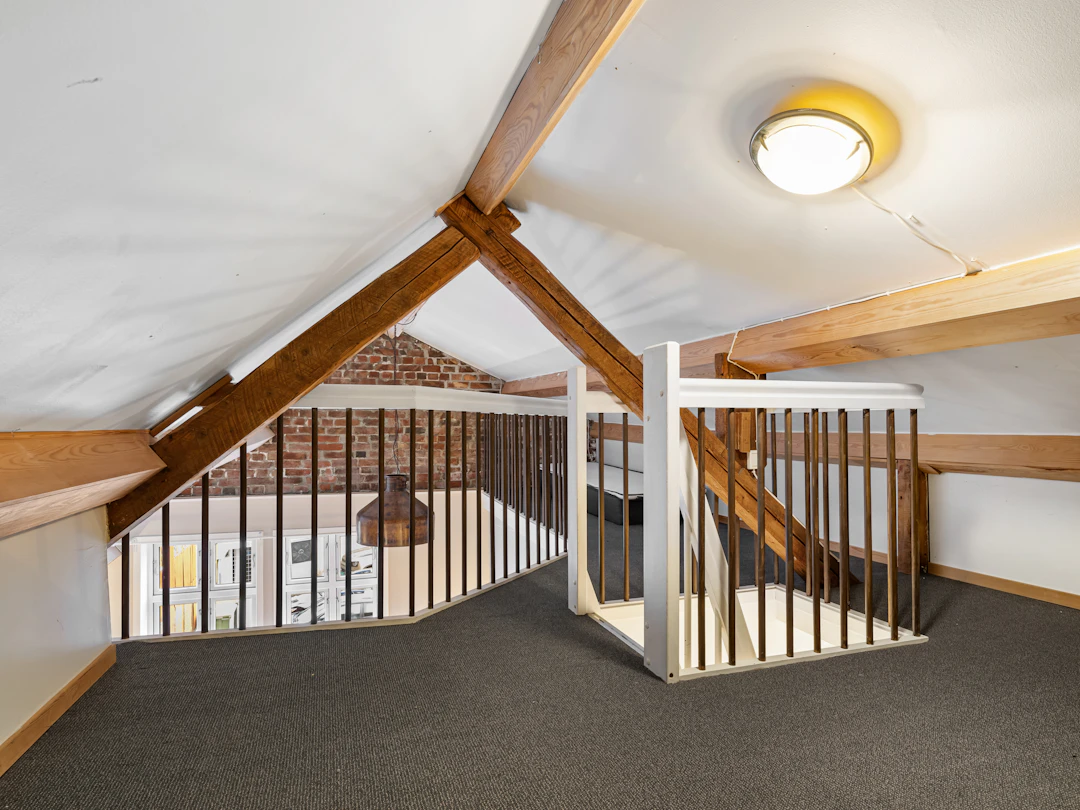
Before we dive into the types, it's crucial to understand what a loft conversion entails. Essentially, it's a renovation project that transforms your unused attic space into a functional and attractive area. Given the high property prices in the city, converting your loft can be an excellent investment, offering a cost-effective alternative to moving.
The Benefits of Loft Conversions
Increased Property Value: Adding usable space increases the value of your property, making it a wise investment.
Minimal Disruption: Unlike traditional extensions, loft conversions typically cause less disruption to your day-to-day life.
Natural Light: With the right design elements, you can create a bright and airy space that can become the focal point of your home.
Energy Efficiency: Well-planned loft conversions can improve your home's energy efficiency with effective insulation.
Types of Loft Conversions
Now that we understand what loft conversions are and the benefits they offer, let’s explore the various types available to you. Choosing the correct type depends on your requirements, aesthetics, and local regulations. Here’s a breakdown of the most popular options.
1. Dormer Loft Conversions
One of the most common types of loft conversions is the Dormer Loft Conversion. This design extends beyond the roofline, creating additional headspace and natural light through the installation of vertical windows.
Benefits of Dormer Loft Conversions include:
Increased headroom and floor space
Versatile styling options
Cost-effective solutions for creating extra bedrooms or a home office
For those considering a Walthamstow loft conversion, it’s an excellent choice often compliant with permitted development rights, making the process smoother.
2. Mansard Loft Conversions
Mansard conversions alter the shape of your roof to create a flat top and almost vertical sides. This type of conversion is ideal for homeowners who want to maximise space while introducing a stylish appearance. This conversion can be particularly advantageous in densely populated areas like London.
The advantages include:
Maximum floor space potential
Stylish aesthetic that can be tailored
Additional roof space for windows that maximise natural light
For a detailed comparison of Dormer Loft Conversions versus Mansard options, refer to this insightful guide: Dormer Loft Conversion Vs Mansard Choosing The Best Option For Your London Home.
3. Velux Loft Conversions
If you’re looking for a budget-friendly option that requires minimal construction work, a Velux loft conversion may be the way to go. This type of conversion involves installing skylights into your existing roof structure, allowing natural light to flood the space.
Some key benefits include:
Quick and easy installation
Minimal disruption to your current living space
Enhanced energy efficiency with potential ventilation options
4. Hip-to-Gable Conversions
A hip-to-gable conversion is perfect for homes with a hip roof, offering a significant increase in space and headroom. This extension converts the sloping side of the roof into a flat gable end, creating more internal room.
The advantages include:
Increased internal room space
Option to add a dormer for even more space and light
Maintains property aesthetics while enhancing functionality
This option is particularly suitable for families wanting to create additional bedrooms or flexible living spaces.
5. L-Shaped Loft Conversions
The L-shaped loft conversion combines a rear dormer with a side extension, making it ideal for larger homes. This can create a spacious and flexible layout, perfect for various uses such as adding multiple rooms or a larger living area.
Benefits include:
Flexible layout options suited for family living
Significant headroom and space
Increased property value due to expanded living space
Factors to Consider Before Your Loft Conversion
Before embarking on your loft conversion journey, there are several factors to consider:
Planning Permissions: Many loft conversions can be executed under permitted development rights; however, it’s crucial to check the local regulations regarding loft conversions in your area.
Building Regulations: Ensure all work complies with building regulations, which cover structural integrity, fire safety, and energy efficiency. For further insights on this topic, check out: Understanding Building Regulations For Home Extensions In London.
Budget: Set a realistic budget that includes all potential costs associated with the conversion, including construction, interior finishes, and any necessary permits.
Contractors: It’s essential to choose a reliable contractor who has experience in loft conversions. A skilled contractor can help you navigate any complexities along the way. For guidance on selecting the right contractor, read this article: Choosing The Right Contractor For Your Loft Conversion.
The Potential of Loft Conversions for Your Home
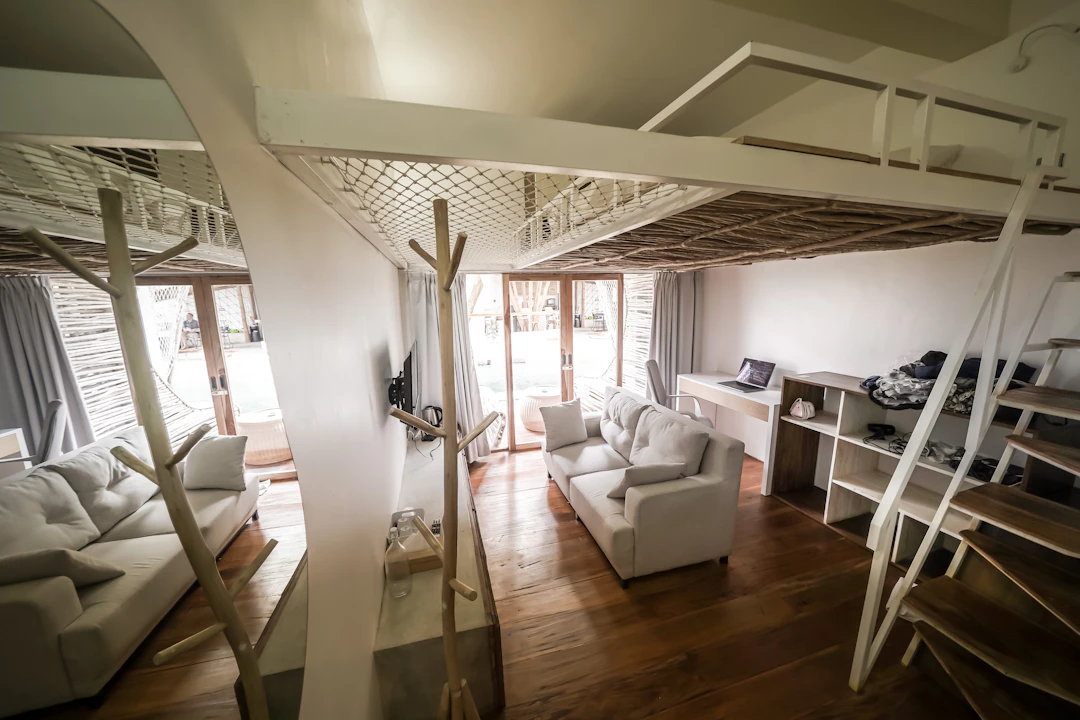
Loft conversions can significantly enhance the functionality and aesthetic appeal of your home. By tapping into this unused space, you can create living areas tailored to your family's needs. Imagine a tranquil home office away from the bustle of daily life, or an extra bedroom for guests and family. Not only does this increase your living space, but it can also improve your property value.
To explore the potential benefits further, check out: Unlock The Potential Benefits Of Loft Conversions For London Homes.
Final Thoughts: Find the Right Loft Conversion for Your Dreams
Deciding which type of loft conversion is best for your home can be daunting, but understanding your options provides clarity. Each conversion type offers unique benefits that can be perfectly tailored to your lifestyle and home aesthetics. Whether you're in the thriving heart of London or residing in the peaceful suburbs, a tailored loft conversion can enhance your living experience remarkably.
Take the time to consider your needs, budget, and the implications of local regulations on your conversion. Explore your dream loft conversion options today, and enjoy the journey of turning your house into the perfect family home.
FAQs
What are the benefits of loft conversions?
Loft conversions offer several advantages including increased property value, minimal disruption during the conversion process, enhanced natural light, and improved energy efficiency.
What types of loft conversions are available?
There are several types of loft conversions including Dormer, Mansard, Velux, Hip-to-Gable, and L-Shaped conversions, each with unique features and benefits.
Do I need planning permission for a loft conversion?
Many loft conversions can be carried out under permitted development rights, but it is essential to check local regulations and obtain any necessary planning permissions.
How can I choose the right contractor for my loft conversion?
Select a reliable contractor with experience in loft conversions, as they can help navigate the complexities of the project and ensure it complies with building regulations.
What factors should I consider before starting a loft conversion?
Consider factors such as planning permissions, building regulations, budget, and the choice of contractors to ensure a successful loft conversion project.

Comments