The Illuminating Impact of Natural Light in Loft Conversions: Strategies for Success


Overview
Maximising natural light is crucial for successful loft conversions, enhancing aesthetics, mood, energy efficiency, and property value. Key strategies include strategic window placement, light-coloured interiors, open floor plans, and the right conversion style. Planning permissions and building regulations are essential to consider for a smooth project.
Contents
When embarking on a loft conversion journey, one of the most critical aspects to consider is natural light. Maximising natural light can dramatically enhance the aesthetic appeal and functionality of your newly created space. In bustling areas like London, where space is at a premium, understanding how to effectively integrate natural light in your loft conversion can set your project apart. Whether you're considering Loft Conversions North London or a Walthamstow loft conversion, employing strategies that embrace and enhance natural light is key to a successful transformation.
The Importance of Natural Light in Loft Conversions
Natural light not only brightens a space but also adds depth and warmth to it. Here are some key reasons why incorporating natural light is essential in loft conversions:
Enhanced Mood: Exposure to natural sunlight has been linked to improved mental well-being, making your loft a pleasant retreat.
Visual Appeal: Bright, airy spaces feel larger and more inviting, increasing the overall aesthetic of your loft conversion.
Energy Efficiency: Increased daylight reduces reliance on artificial lighting, helping to lower energy costs.
Property Value: Homes with ample natural light tend to attract buyers, making improvements to brightness a smart investment.
Strategies for Optimising Natural Light in Your Loft
Incorporating natural light into your loft conversion requires careful planning and execution. Below are some key strategies to consider:
1. Strategic Placement of Windows
The positioning of windows can greatly influence the amount of light entering your loft. Here are some effective tactics:
Increased Window Size: Larger windows can allow more light to flood into the space, maximising brightness.
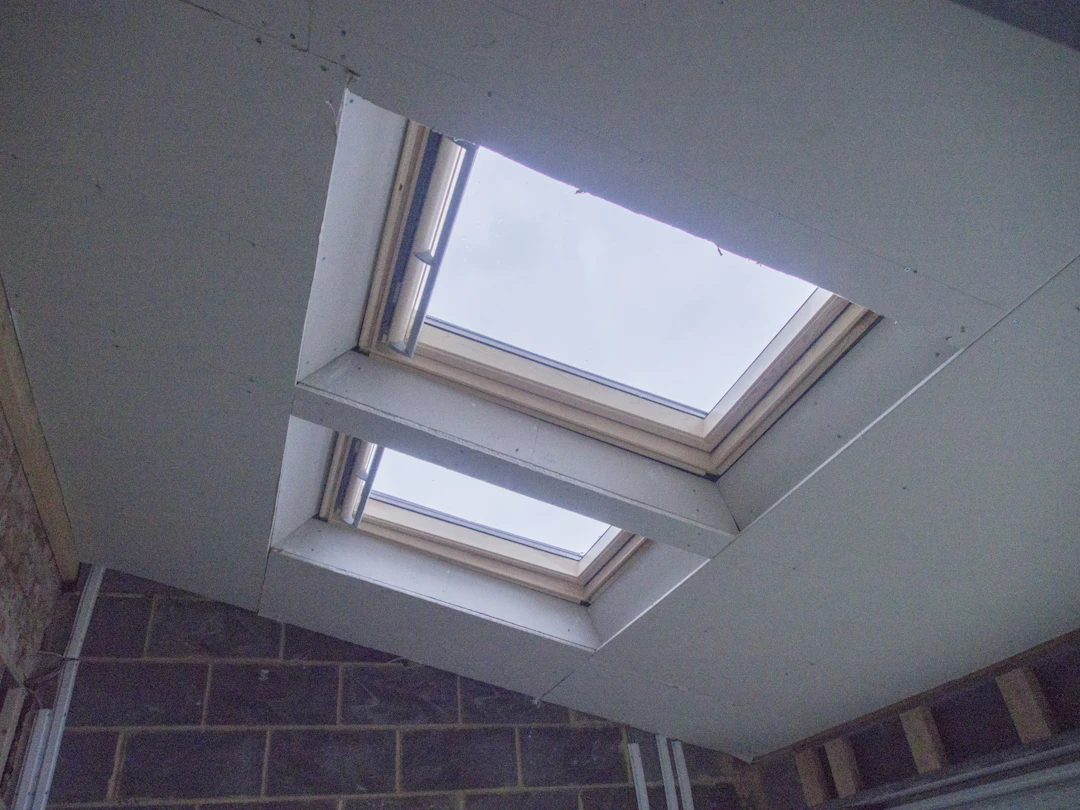
Skylights: Incorporating skylights can significantly enhance light levels, especially in areas with limited wall space for traditional windows. For more about this, you may want to explore Bringing Light to Life Using Skylights and Roof Windows in Loft Conversions.
Corner Windows: Installing windows in multiple locations can create a sense of openness and allow light to bounce throughout the area.
2. Light-Coloured Interiors
The choice of paint and materials can greatly affect how natural light interacts with your space:
Neutral Palettes: Using light colours, such as whites and pastels, can amplify the brightness of your loft.
Reflective Surfaces: Incorporating materials like glass or polished finishes can help reflect light, creating an airy atmosphere.
3. Open Floor Plans
Creating an open layout in your loft can facilitate the flow of light throughout your space. By minimising walls that block natural light, you can encourage a more inviting and spacious environment.
4. Accessorising with Light
While natural light is ideal, creating a harmonious balance with artificial lighting can enhance your loft conversion's overall feel:
Layered Lighting: Adding layers with ambient, task, and accent lighting can enhance the beauty of natural light.
Natural Elements: Using elements like mirrors can reflect light and make your loft appear brighter and more open.
5. Choosing the Right Style of Loft Conversion
It’s crucial to select a loft conversion style that complements your existing structure while accommodating sufficient light. For instance, Dormer loft conversions are enormously popular in London. They offer additional space and also an opportunity to install larger windows, welcoming more natural light into your home.
Planning and Permissions
Before jumping into your loft conversion project, it’s vital to understand the planning permissions and regulations. Keeping this in mind can prevent delays and facilitate a smoother process:
Permitted Development vs. Full Planning Permission: Depending on your location in London, some loft conversions may fall under permitted development rights, while others may require full planning permission. Consider researching more on Planning Permission for Loft Conversions in London.
Building Regulations: Ensure your loft meets necessary building regulations, which focus on safety and energy efficiency.
Case Study: Walthamstow Loft Conversion
As a prime example, consider the boom of loft conversions in Walthamstow. Many homeowners in this vibrant East London neighbourhood are recognising the potential for increased space and natural light. Properties designed with large, strategically placed skylights and open floor options enhance both the lifestyle and value of homes in the area.
The Future is Bright
Embracing natural light in your loft conversion is not just about aesthetics but also about tranquility, energy savings, and boosting your home's value. Careful planning, the right design choices, and adherence to local regulations can lead to an impressive transformation. Whether you’re contemplating a loft conversion in London or a house extension, remember that the key to a successful project starts with optimising the light. Armed with these strategies, you’ll not only enhance your loft conversion but also create a beautiful, light-filled space that you and your family will cherish for years to come.
For anyone looking to dive deeper into this subject, don’t forget to explore additional resources such as Mastering the Regulations and Building Codes for Loft Conversions in London and always keep the focus on how to transform your area into a brighter, more inviting environment.
FAQs
Why is natural light important in loft conversions?
Natural light enhances mood, increases visual appeal, improves energy efficiency, and can raise property value.
What are some effective strategies to maximise natural light in a loft conversion?
Effective strategies include strategic window placement, using light-coloured interiors, creating open floor plans, accessorising with light, and choosing the right style of loft conversion.
How can window placement affect natural light in a loft?
The size, type, and positioning of windows can significantly influence how much light enters the loft, with larger windows and skylights being particularly effective.
What role do building regulations play in loft conversions?
Building regulations ensure safety and energy efficiency and may require adherence to specific guidelines depending on your location in London.
Can you provide an example of a successful loft conversion maximising natural light?
In Walthamstow, many homeowners have successfully incorporated large skylights and open floor plans to enhance both space and natural light, boosting their home's lifestyle and value.
Comments